One Live Room
One Live Room

Three Steinway Grand Pianos for Classical, Jazz, and Historical Recording
One studio, three repertoires. New Baltimore, NY — in the Hudson Valley, 2.5 hours from New York City.
One Soul Studios is built around three Steinway grand pianos, each chosen for a specific body of music. The 2005 Hamburg D handles the modern classical repertoire. The 1904 New York B is the jazz instrument. The 1883 Centennial D is reserved for early keyboard music — Couperin, Scarlatti, and the repertoire that calls for a period voice.
All three are kept in recording condition year-round in a climate-controlled environment. A dedicated piano technician is on call for tuning, voicing, and regulation. Sessions can be booked on a single instrument, or on two — and an appointment can be arranged in advance to play all three before the date is set.
Match the Piano to the Repertoire
2005 Hamburg Steinway D — Classical
The modern concert grand. Before arriving at the studio, this piano served as the principal concert instrument in Lausanne, Switzerland. Radu Lupu, Martha Argerich, and Hélène Grimaud are among the pianists who have performed on it. The dynamic range covers the full pianissimo-to-fortissimo span needed for solo recital recording and concerto reduction work. The voice is transparent and even across the registers — built for the demands of the modern classical literature, from late Beethoven to the 21st-century repertoire.
1904 New York Steinway B — Jazz
A Golden Age instrument from the Queens factory. The tonal character is warm, dark, and harmonically rich — the sound most closely associated with the recordings of Bill Evans. For jazz sessions tracked with close microphones, where the nuance of touch carries the music, the 1904 B is the natural fit. The shorter scale of the B also suits the intimate, conversational dynamic of trio and quartet work.
1883 Centennial Steinway D — Historical Repertoire
One of the rarest Steinways still in playing condition. Built between 1875 and 1884 as part of the series Steinway & Sons made for the 1876 Philadelphia World’s Fair. Fully rebuilt for this studio. The voice is drier and more articulate than a modern D — the kind of clarity that suits the music of François Couperin, Domenico Scarlatti, and the early-keyboard literature.
The Live Room
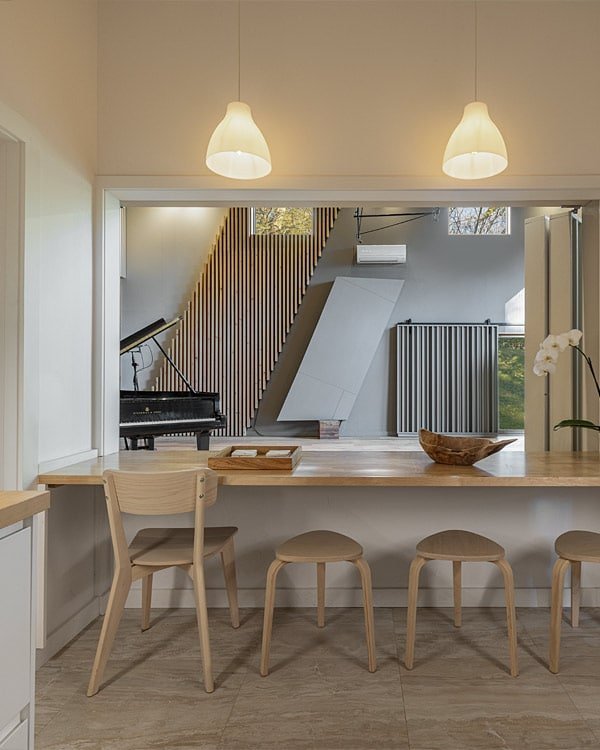
The main tracking room measures 32 by 24 feet with a 22-foot ceiling at the apex — the volume a grand piano needs to project without acoustic compression. Decay sits at approximately 0.8 seconds.
The treatment combines Quadratic Residue Diffusers, Helmholtz absorbers, and acoustic polarization. A variable system allows the room to be adjusted wetter or drier depending on the project — a brighter Scarlatti session and a more bloom-heavy Brahms session can both be tracked in the same week, with the room set to fit.
Three isolation booths connect to the main room. Ensemble work — solo piano with cello, voice with piano, jazz trio — can be tracked live with full visual contact between players.
A Residential Studio in the Hudson Valley
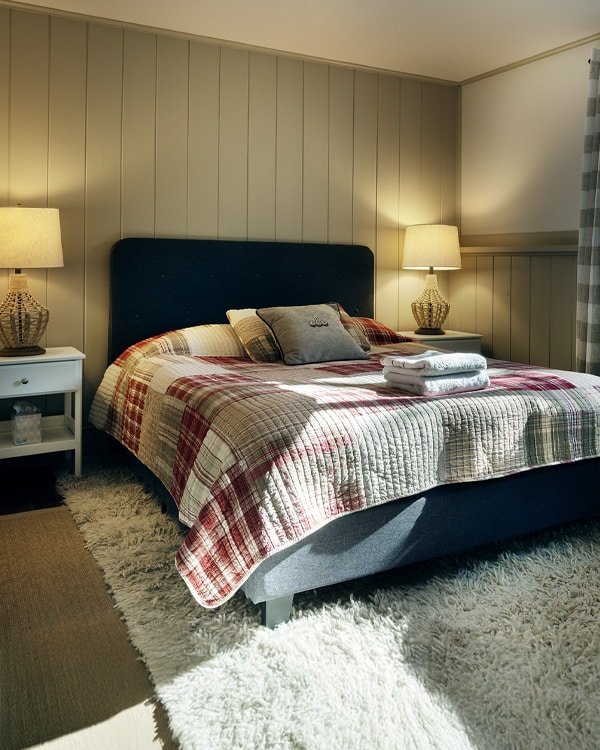
The studio operates as a residential facility. Three bedrooms — two with queen beds, one with a full — and a private kitchen are available for artists on multi-day sessions. No hotel, no commute between takes.
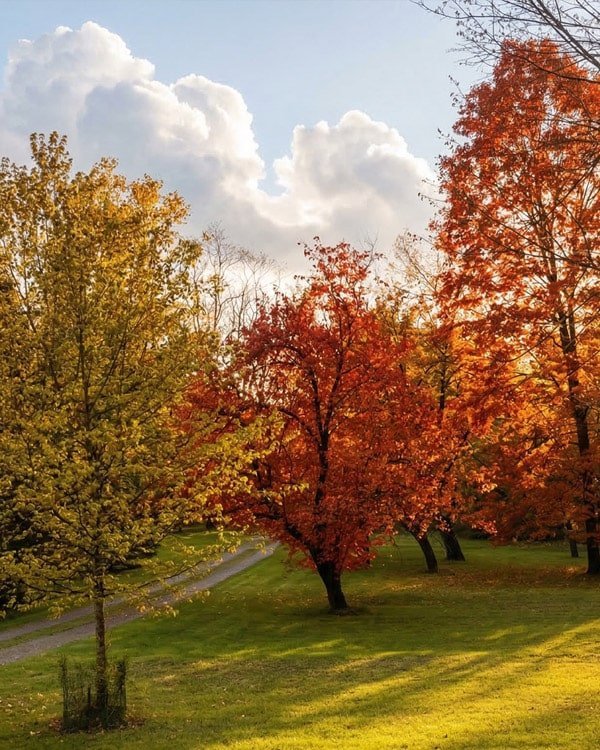
The property covers six acres of woods at the edge of the New Baltimore Conservancy and the Scenic Hudson Land Trust. The Hudson River runs along the north edge, with a kayak launch five minutes away on foot. For sessions that run two or three days, the time between takes is part of the work.
Location & Access
853 Route 144, New Baltimore, NY 12124
- Albany International Airport (ALB) — 30 minutes by car
- Downtown Albany — 30 to 35 minutes
- New York City — 2.5 hours
- Boston — 2.5 hours
- Bard College (Annandale-on-Hudson) — 1 hour south
- Berkshires / Tanglewood / Williams College — approximately 1.5 hours east
What Artists Say
Frequently asked questions
Which Steinway fits my repertoire?
The 2005 Hamburg D is the choice for modern classical work — solo recital, concerto, and chamber piano parts. The 1904 New York B is the jazz instrument, particularly for trio and quartet work tracked with close microphones. The 1883 Centennial D is reserved for early-keyboard repertoire — Couperin, Scarlatti, and music that benefits from a drier, period voice. A pre-session visit can be arranged to play all three before the choice is final.
Can a single session use more than one piano?
Yes. Two of the three Steinways can be tuned to each other for four-hand work across two instruments, or for projects that move between repertoires within the same session.
Can I visit and play all three before booking?
An appointment can be arranged in advance. Most artists who haven’t recorded at the studio come up for an afternoon to play through all three and decide before the date.
Is the 1883 Centennial only for early-keyboard music?
It is best suited to that repertoire, but the instrument can be used for any project where a drier, more articulate Steinway voice is wanted — including contemporary work written specifically with a period character in mind.
Is a piano technician available during sessions?
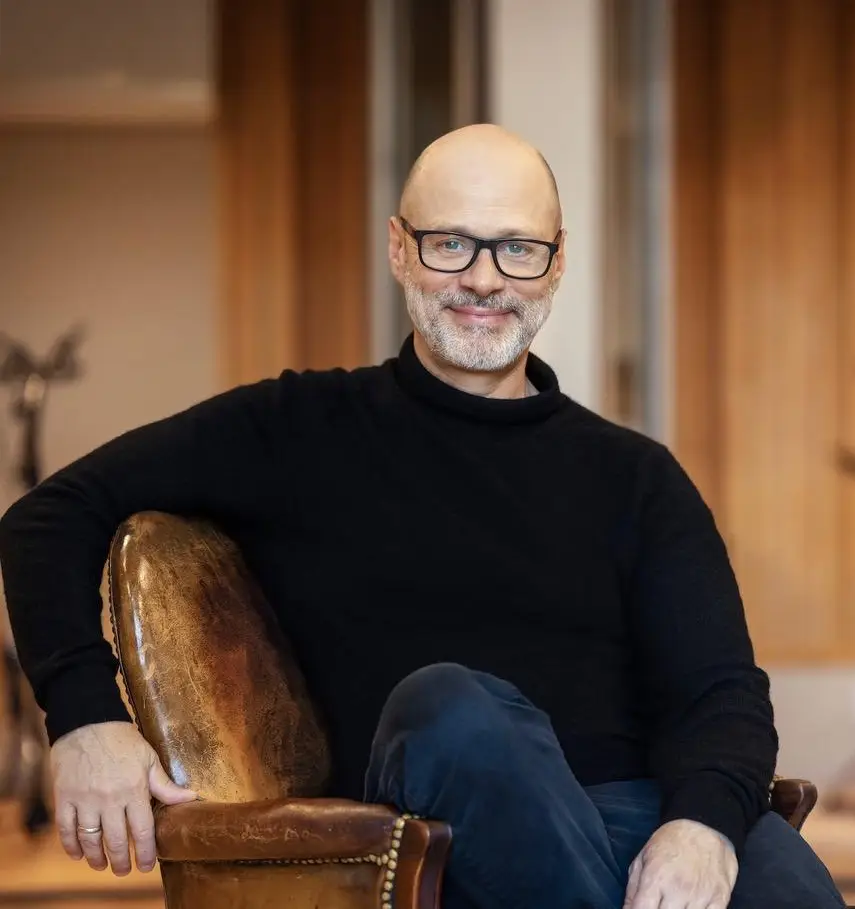
Yes. Bobby Avey is the studio’s dedicated technician — tuning, voicing, and regulation are handled before the session and adjusted during the work.