One Live Room
One Live Room

Jazz Piano Recording Studio in the Hudson Valley
A 1904 New York Steinway B in a residential studio, two hours up the Hudson from New York City.
One Soul Studios is a jazz piano recording studio in the Hudson Valley, built around a 1904 New York Steinway B from the Queens factory’s Golden Age. The instrument carries the intimate, warm, harmonically dark tonal signature most often associated with Bill Evans’s recordings.
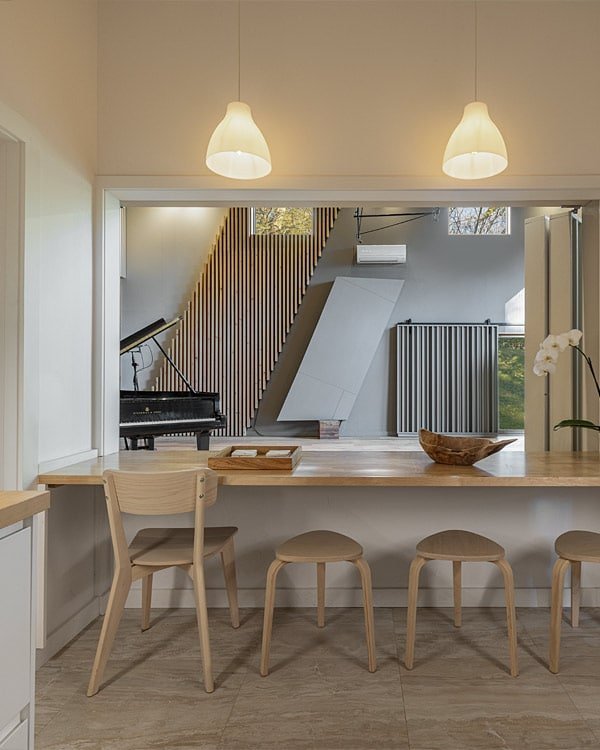
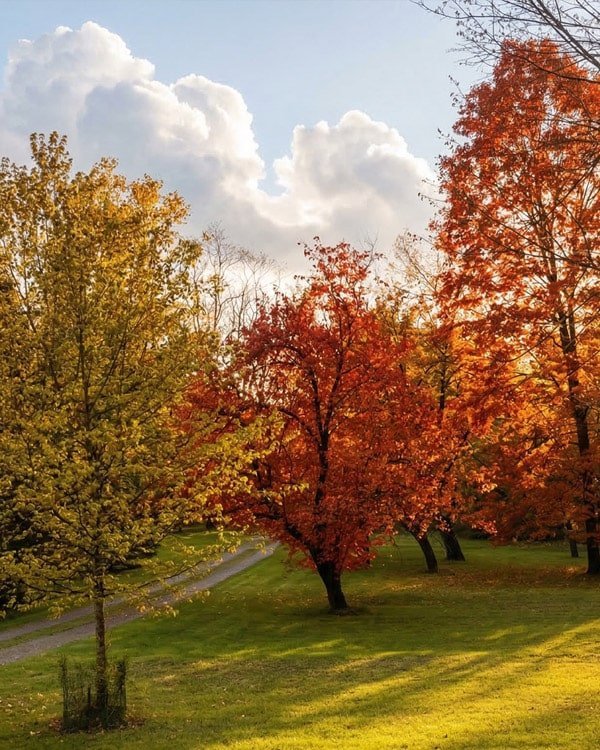
The studio is located in New Baltimore, NY, on six acres of woods along the Hudson River. The live room is paired with a vintage Ludwig drum kit, a Pearl Pro Export kit, percussion instruments, and a microphone locker built around ribbons and tubes — the combination that defines acoustic jazz tracking.
The 1904 New York Steinway B — A Jazz Instrument
The 1904 Steinway B at the studio was built during the period when the Queens factory was producing the instruments now considered the high mark of American piano craftsmanship. The tonal character is intimate, warm, and harmonically dark — a sound closely tied to Bill Evans’s recorded legacy. For jazz sessions tracked with close microphones, where every nuance of touch matters, this is the Steinway that fits.
The piano is maintained year-round in a climate-controlled environment. Bobby Avey serves as the studio’s dedicated technician and tone master — tuning, voicing, and regulation are handled before the session and adjusted during the work.
Two other Steinways are also available in the same room. The 2005 Hamburg Steinway D offers concert-grade power for projects that need more projection. The 1883 Centennial Steinway D carries a period tone suited to historical repertoire. An appointment can be made in advance to play all three and choose before the session.
The Live Room
The tracking room covers 32 by 24 feet with a 22-foot ceiling at the apex — the volume a grand piano needs to project without acoustic compression. Decay sits at approximately 0.8 seconds. The treatment combines diffusion, absorption, and acoustic polarization, with a variable system that allows the room to be tuned wetter or drier depending on the project.
Three isolation booths connect to the main room. A jazz trio or quartet can track together with full visual contact between musicians while keeping clean separation on bass, horns, or vocals. The room is set up for live ensemble work — the configuration most jazz sessions require.
A Residential Studio in the Hudson Valley
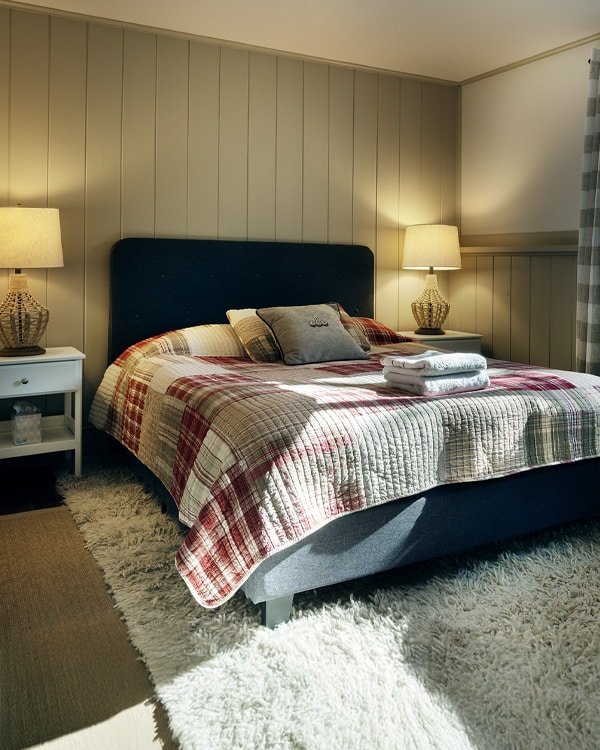
The studio operates as a residential facility. Three bedrooms — two with queen beds, one with a full — plus a private kitchen are available for artists on multi-day sessions. The arrangement is designed so the work continues without commute interruptions.
The property borders the New Baltimore Conservancy and the Scenic Hudson Land Trust. The Hudson River runs along the north edge of the land, with a kayak launch five minutes away on foot. Hiking trails through protected land begin one mile east. For sessions that run two or three days, the time between takes is part of the process.
From the City to the Hudson Valley
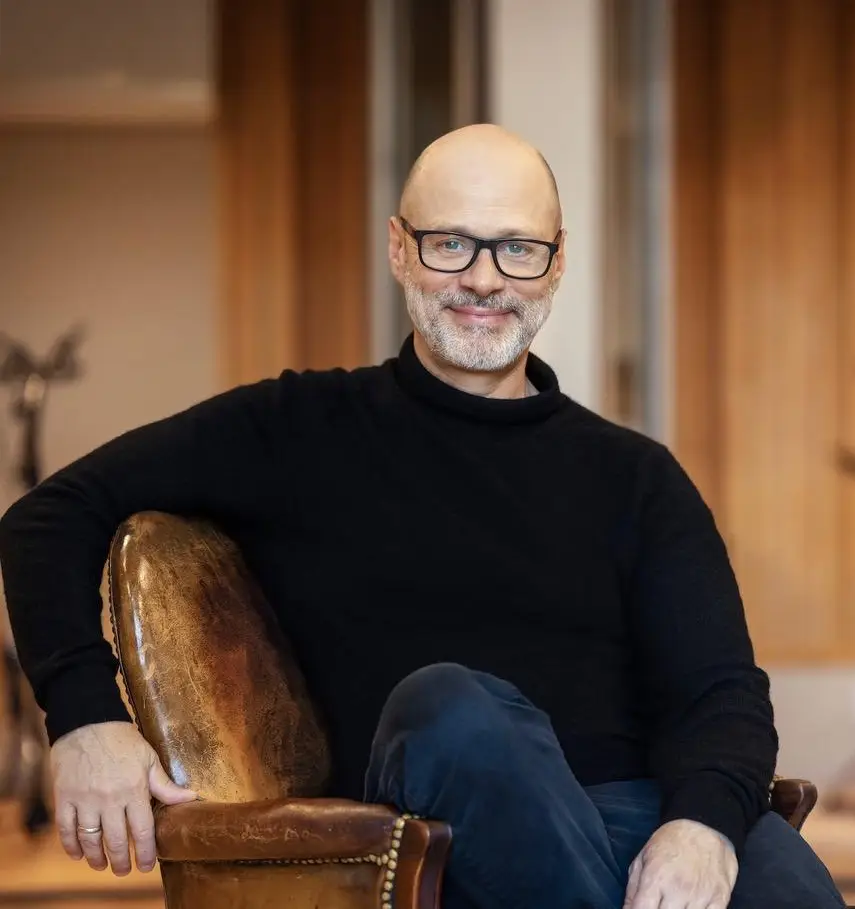
From 1995 to 2013, Patrick Lo Re ran a recording facility in New York City. The work served stellar musicians from across the world — the city’s jazz scene among them — under the time pressure typical of city scheduling. After nearly two decades of working in a control room without daylight, he moved to Upstate New York to change rhythm.
The current facility was built to do something the city studio could not: take the time to listen. Long sessions, residential stays, multi-day tracking, real space for the music to develop. For jazz musicians used to the pace of city sessions, the Hudson Valley setup is a different model — and often, a different outcome.
What Jazz Musicians Say
Frequently asked questions
Which Steinway is used most for jazz recording?
The 1904 New York Steinway B. Built during the Queens factory’s Golden Age, its warm, dark, harmonically rich tone is closely associated with Bill Evans’s recordings. The 2005 Hamburg D and 1883 Centennial D are also available, but the 1904 B is the natural fit for most jazz sessions.
What drums and percussion are available?
A vintage Ludwig drum kit, a Pearl Pro Export kit, two congas, and a set of timbales. The Ludwig is suited to traditional jazz and brushwork; the Pearl handles harder-hitting sessions.
Can a jazz trio or quartet track live in the same room?
Yes. The main room connects to three isolation booths designed for live ensemble work — bass, horns, or vocals can be isolated while keeping visual contact between all musicians.
Which microphones are available for jazz piano and horns?
The locker includes Brauner VMA Tube, Neumann M149 Tube (four), Royer R-122V tube ribbons, Coles 4038 ribbons, AEA-A440, and a range of Schoeps and DPA matched pairs. The full list is available on request.
Is onsite lodging available for multi-day jazz sessions?
Yes. The studio is a residential facility. Three bedrooms and a private kitchen are available for artists staying on multi-day recordings. The arrangement allows the work to continue without interruption.
Is lodging included for multi-day sessions?
Yes. The studio is a residential facility with three bedrooms and a private kitchen. Lodging is included in multi-day recording packages, allowing artists to stay onsite for the full duration of the session.
How far ahead should sessions be booked?
Is the studio open to guest engineers?
Yes. The signal chain and room setup accommodate visiting engineers who prefer to work with their own systems while using the studio’s acoustics, instruments, and microphones.